H-1B Visa Extension Rules and Eligibility in 2026: A Complete Guide
H-1B Visa Extension Rules and Eligibility in 2026: A Complete Guide Home H-1B Visa Extension Rules and Eligibility in 2026: A Complete Guide The H-1B
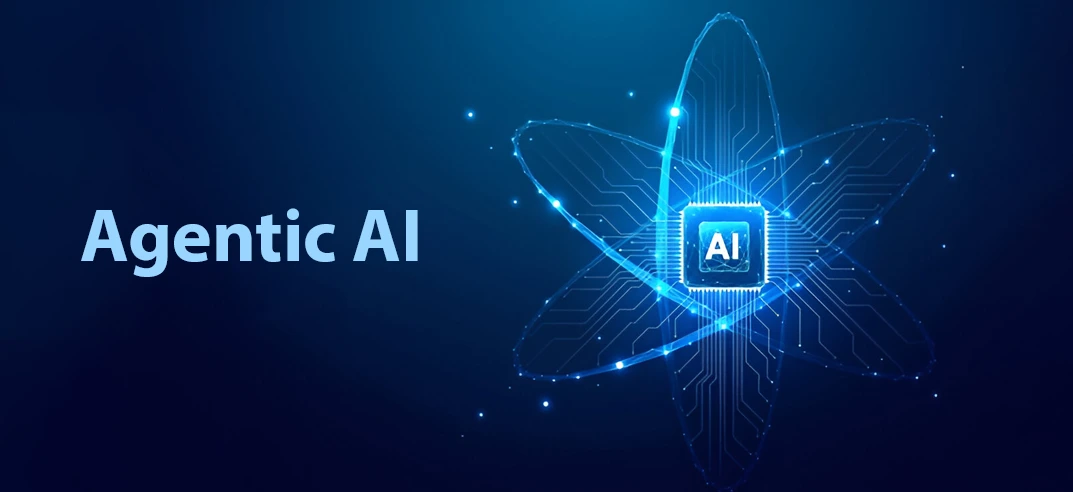
Artificial Intelligence (AI) has been the backbone of digital transformation for years, but the next wave of AI evolution is here—Agentic AI. Unlike traditional AI that responds to prompts or performs narrow tasks, Agentic AI can act autonomously, set goals, make decisions, and adapt based on real-world feedback. It is one of the hottest technology trends of 2025, promising to revolutionize industries by creating AI systems that act more like independent agents than passive tools.
In this blog, we will explore what Agentic AI is, how it works, its future potential, and the advantages and disadvantages that come with this powerful new frontier in artificial intelligence.
Agentic AI refers to artificial intelligence systems designed to act as autonomous agents. Unlike conventional AI models such as chatbots or predictive tools that require human prompts, Agentic AI has the capability to:
In simple terms, Agentic AI doesn’t just “answer” or “predict”—it plans, decides, and executes, making it far more powerful than earlier AI systems.
Example: Imagine a customer service AI agent that not only responds to queries but also tracks unresolved issues, proactively follows up with customers, and escalates problems to managers—all without human intervention.
Agentic AI is built on three core principles: autonomy, adaptability, and goal orientation. It combines advanced AI techniques to function like a self-driven digital entity.
Agentic AI uses reinforcement learning and policy optimization to make decisions. It doesn’t wait for constant instructions but instead evaluates options and selects the best course of action.
Many Agentic AI models work as part of a network of agents. These agents can communicate, collaborate, and negotiate with each other to solve complex problems—similar to how a team of employees works together.
Unlike static AI models, Agentic AI systems can continuously gather data from the environment, process it, and adjust strategies accordingly.
Agentic AI can interact with digital tools, databases, and even physical devices (like robots or IoT systems), making it highly versatile
The future of Agentic AI is extremely promising and is expected to reshape industries over the next decade.
Gartner predicts that by 2030, a majority of digital systems will rely on autonomous AI agents to perform critical business and operational functions.
Agentic AI comes with several game-changing benefits:
AI agents can handle repetitive and complex tasks faster than humans, freeing people to focus on innovation and strategy.
By automating multi-step processes, businesses save costs on labor and operations.
Agentic AI can analyze data instantly and make decisions on the fly, something that is critical in industries like finance, healthcare, and logistics.
Agentic AI can adapt its actions to suit individual needs—whether in marketing campaigns, education, or customer support—providing hyper-personalized experiences.
Unlike humans, AI agents don’t need breaks or sleep. They can run 24/7, ensuring constant monitoring, service, and optimization.
Despite its promise, Agentic AI also brings significant risks and challenges:
Autonomous decision-making raises ethical dilemmas. What if an AI agent makes a harmful or biased decision without human oversight?
Just like other automation technologies, Agentic AI could threaten jobs—particularly in customer service, operations, and back-office roles.
Giving AI autonomy makes it harder to predict and control its actions. Ensuring accountability and transparency is a big challenge
If compromised, autonomous AI agents could be exploited for cyberattacks, misinformation, or even financial fraud.
Developing and maintaining Agentic AI requires significant computational resources, energy, and skilled expertise. This makes it expensive for smaller businesses to adopt.
The future of Agentic AI is about balancing innovation with responsibility. Governments, businesses, and researchers must:
If managed well, Agentic AI will not replace humans but rather become a co-pilot for productivity, creativity, and innovation.
Conclusion
Agentic AI represents the next giant leap in artificial intelligence. By enabling AI systems to act autonomously, set goals, and adapt in real time, it has the potential to revolutionize industries and daily life. From boosting productivity and personalization to enabling 24/7 operations, its benefits are immense. Yet, challenges like ethics, job displacement, and security must be addressed responsibly.
As we step into an AI-driven future, Agentic AI won’t just support human work—it will redefine how we collaborate with machines. Organizations that adopt it thoughtfully will be the true leaders of the digital age.

H-1B Visa Extension Rules and Eligibility in 2026: A Complete Guide Home H-1B Visa Extension Rules and Eligibility in 2026: A Complete Guide The H-1B

What Is AI’s Biggest Impact on Modern App Development? Home AI’s Biggest Impact on Modern App Development In the last decade, app development has transformed

Top Tech Trends Reshaping Business in 2026 and Beyond Home Top Tech Trends Reshaping Business in 2026 and Beyond Technology is no longer a backstage
Give us a call or fill in the form below and we’ll contact you. We endeavor to answer all inquiries within 24 hours on business days.